
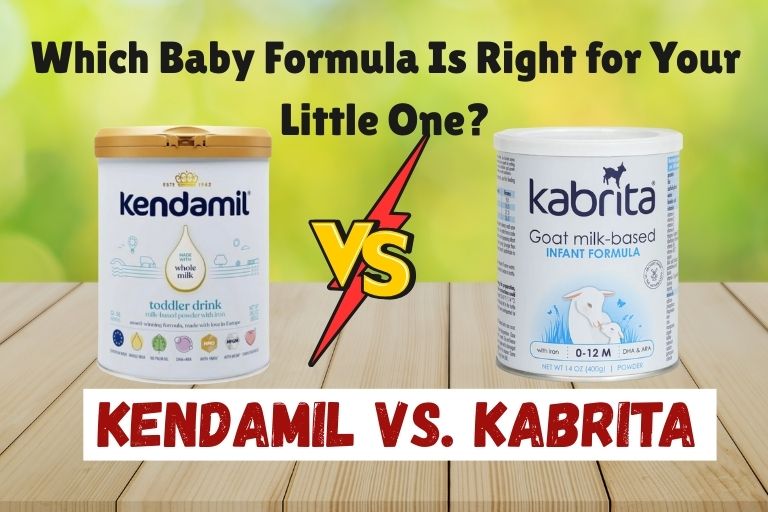
Kendamil vs. Kabrita: Which Baby Formula Is Right for Your Little One?
It’s a formula face-off. Which one makes the bottle?
As a parent, I’ve spent hours squinting at formula labels, comparing ingredients like I’m decoding a mystery. I care about what goes into my baby’s bottle because it goes into their body. And I know I’m not the only one trying to choose between the two natural formula giants: Kendamil and Kabrita.
Both promise premium quality, gentle digestion, and ingredients you can actually pronounce. But is one truly better for your baby’s tummy, growth, and peace of mind?
Let’s break it down, ingredient by ingredient.
Kendamil vs. Kabrita: A Quick Comparison
| Feature | Kendamil Organic Formula | Kabrita Goat Milk Formula |
|---|---|---|
| Milk Source | Whole cow’s milk (grass-fed British cows) | Goat milk (non-GMO, Dutch-sourced goats) |
| Type | Organic cow milk formula | Goat milk formula |
| Whey/Casein | Balanced cow whey:casein ratio (60:40) | Naturally closer to breast milk in structure |
| Added Sugars | No corn syrup, palm oil, or maltodextrin | No corn syrup or maltodextrin |
| Fat Source | Whole milk + plant oils | Plant-based fats only (no whole milk fat) |
| Stage Range | Stages 1–3 | Toddler Formula (12–24 months) in U.S. only |
| Best For | Breastfed transition, picky eaters | Sensitive tummies, cow milk protein concerns |
| Buy Now | Buy Kendamil on Amazon | Buy Kabrita on Amazon |
Kendamil Overview
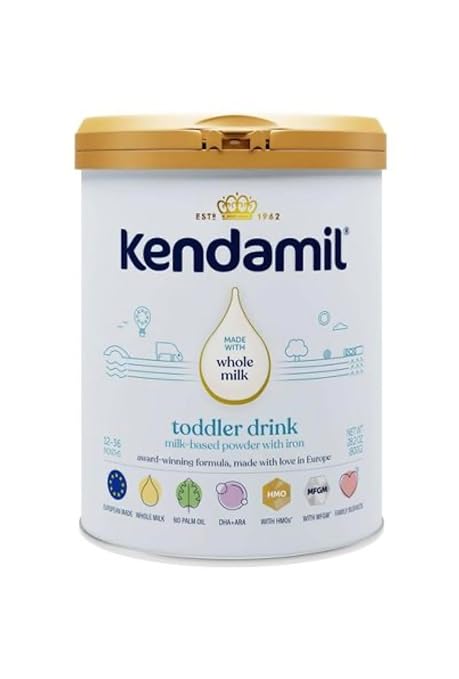
Whole Milk Goodness – Kendamil Organic Formula
Kendamil is one of the few baby formulas made with whole cow’s milk instead of skimmed. That means it keeps the natural milk fat, which is closer to breast milk in both nutrition and taste. I like that it also avoids palm oil, soy, and fish oil—three things I’ve seen my baby react to in other brands.
The British cows that produce the milk are grass-fed and pasture-raised. Their farms are Red Tractor certified, so they’re monitored for high standards of animal welfare and sustainability. If organic ingredients matter to you (they definitely do for me), Kendamil offers a premium USDA Organic version as well.
Here’s what stands out to me about Kendamil:
- No palm oil: Uses coconut, sunflower, and rapeseed oils instead.
- Includes MFGM: A natural milk fat globule membrane that supports brain development.
- Contains prebiotics: Gentle on baby tummies.
- Naturally sweet: No added sugar needed.
If your baby is moving from breast milk or you want a more natural cow-milk formula, Kendamil’s taste and fat profile are pretty impressive.
Kabrita Overview

Goat Milk Simplicity – Kabrita Goat Milk Formula
Kabrita takes a totally different approach by using goat milk instead of cow milk. Goat milk proteins are smaller and softer, which makes it easier to digest—especially for babies with cow milk sensitivity. Personally, I first tried Kabrita when my little one was struggling with gas, and it made a noticeable difference in just a few days.
It’s not a hypoallergenic formula, but the goat milk protein structure is closer to human breast milk than cow’s milk is. That’s a big deal if your baby has a hard time breaking down cow milk casein.
What I like about Kabrita:
- No GMO ingredients or hormones.
- No added corn syrup, maltodextrin, or artificial flavors.
- Natural sweetness from lactose only.
- Contains 22 vitamins and minerals plus DHA and ARA for brain and eye development.
One thing to keep in mind: Kabrita is officially labeled as a toddler formula in the U.S., even though many parents (including me) use it for infants after pediatrician approval.
Best for Gentle Digestion
When my baby’s tummy is upset, everything feels harder—naps, feedings, sleep, you name it. That’s why digestive tolerance is a huge factor when picking a formula. If your baby’s struggling with gas, spit-up, or hard stools, the formula you use could be the culprit.
Let’s look at how Kendamil and Kabrita stack up when it comes to gut-friendliness.
Why Parents Choose Kendamil for Digestion:
- No palm oil, which is known to cause constipation in some babies.
- Uses natural prebiotics (GOS) to support a healthy gut.
- Keeps whole milk fats, which may help smoother digestion.
- Some babies experience softer stools and less fussiness.
Personally, I’ve noticed my baby had fewer gassy nights on Kendamil compared to other cow milk formulas.
Why Parents Choose Kabrita for Digestion:
- Goat milk has a softer curd, meaning it breaks down faster in the stomach.
- Contains natural oligosaccharides, similar to those found in breast milk.
- Many parents say it’s gentler for babies with cow milk protein sensitivity.
- Lower alpha-s1 casein makes it easier to digest.
Final Verdict: Kabrita
If your baby is showing signs of tummy trouble or cow milk intolerance, Kabrita might be a gentler option. But if your baby does well with cow’s milk, Kendamil’s digestibility is still impressive, especially with the added prebiotics.
Best Nutrient Profile (Absorbency Equivalent)
Absorbency in diapers is like nutrient absorption in formulas—it’s all about how well your baby can use what they’re drinking.
Here’s what each formula brings to the table nutritionally:
Kendamil Nutrient Highlights:
- Full-cream milk base provides natural sources of fat-soluble vitamins.
- Contains MFGM, which helps support brain and cognitive development.
- No fish oil—DHA is sourced from marine algae (vegan-friendly).
- Balanced levels of calcium, iron, and Omega-3.
- Includes nucleotides to help strengthen the immune system.
Kendamil uses a traditional EU-compliant recipe, which is often praised for being closer to breast milk in structure and nutritional quality.
Kabrita Nutrient Highlights:
- Goat milk protein supports efficient digestion and absorption.
- Contains DHA and ARA, important for brain and eye health.
- Fortified with 22 essential vitamins and minerals.
- Includes folic acid, choline, taurine, and antioxidants like selenium.
- Uses lactose as the primary carbohydrate, just like breast milk.
Final Verdict: Tie
Both formulas go beyond the basics. Kendamil emphasizes milk fat and prebiotics, while Kabrita focuses on gentle protein and nutrient-rich fortification. The choice here may come down to how your baby responds—both are excellent options.
Taste, Texture & Baby’s Preference (Fit Equivalent)
You may not think taste matters… until your baby refuses a bottle. Trust me—I’ve been there.
Here’s what I noticed (and what other parents report) about the formula experience:
Kendamil Taste & Texture:
- Naturally creamy and mildly sweet from whole milk.
- No added sugars or artificial flavorings.
- Babies who were breastfed tend to transition well to Kendamil.
- Slightly thicker consistency than skim-based formulas.
Kabrita Taste & Texture:
- Slightly sweet due to natural lactose.
- Lighter in texture; doesn’t feel as rich as whole milk formulas.
- Goat milk has a milder flavor than cow milk (no strong “goaty” aftertaste).
- Many picky eaters seem to prefer the smoother consistency.
Final Verdict: Kendamil
In my experience, Kendamil’s creamy texture and mild sweetness won over my baby. But if your little one needs a lighter-tasting formula, Kabrita’s smoothness could be just the ticket.
Price Comparison: Which Formula Gives More Value?
Let’s be honest—formula adds up fast. Even if you’re trying to give your baby the best, cost still matters. So here’s how Kendamil and Kabrita compare on pricing.
| Formula Brand | Size | Average Cost | Price Per Ounce |
|---|---|---|---|
| Kendamil | 28.2 oz (800g) | $40–$50 | ~$1.42–$1.77 |
| Kabrita | 28 oz (794g, toddler) | $45–$55 | ~$1.60–$1.96 |
Note: Prices vary depending on retailer and shipping. Kabrita is labeled a “toddler formula” in the U.S., so be sure to consult your pediatrician if you’re using it for infants.
Final Verdict on Price: Kendamil
Kendamil is slightly more affordable per ounce, and it’s a full infant formula across all stages. That makes it a better long-term value, especially if you’re switching from breast milk or looking for an organic option.
Final Verdict: Kendamil or Kabrita?
Both Kendamil and Kabrita are excellent, high-quality choices. Which one is right for your baby depends on your little one’s needs—and sometimes a bit of trial and error.
Choose Kendamil if you:
- Want a whole milk-based formula that mimics breast milk fat.
- Prefer European organic standards.
- Need a no-palm-oil, no-fish-oil, plant-based DHA formula.
- Are looking for an infant formula for ages 0+.
Choose Kabrita if you:
- Need a gentler formula for sensitive tummies.
- Suspect cow milk protein sensitivity.
- Want goat milk as an alternative to cow’s milk.
- Are feeding a toddler (12–24 months) or have pediatric approval for earlier use.
Personally, I started with Kendamil for my daughter because of the clean ingredients and whole milk base. But when she had trouble with digestion, switching to Kabrita helped a lot. Every baby’s body is different—what matters most is how your baby feels after each bottle.
Frequently Asked Questions
1. Is Kabrita safe for infants under 12 months?
Kabrita is labeled as a toddler formula in the U.S., but many parents use it for infants after talking to their pediatrician. It meets nutritional needs for babies, but always consult a doctor before using.
2. Does Kendamil have a goat milk version?
Not currently. Kendamil only offers cow’s milk formulas, but they are free from palm oil and include whole milk fats.
3. Are both formulas organic?
Kendamil offers an organic version certified by EU and USDA. Kabrita is not certified organic, but it’s non-GMO and made from high-quality Dutch goat milk.
4. Can these formulas be used for supplementing breastfeeding?
Yes, both formulas are commonly used by parents who are supplementing or weaning from breastfeeding. Kendamil’s taste is often easier for breastfed babies to accept.
5. Where can I buy Kendamil and Kabrita?
You can find Kendamil and Kabrita on Amazon, specialty baby retailers, and the brands’ official websites. Just be sure you’re getting them from authorized sellers.
Wrapping It Up
If you’re like me, you want what’s best for your baby—but also what works. I’ve tried both Kendamil and Kabrita and can honestly say they each have their place. For breastfed babies or those with no digestion issues, Kendamil is my go-to. For sensitive tummies or a gentler protein, Kabrita is a comforting choice.
At the end of the day, trust your baby’s cues. And remember, whatever you choose—you’re doing a great job.