The Perfect Frittata: A Versatile and Delicious Dish
This frittata is light, fluffy, and packed with flavor. It’s quick to make and perfect for any meal of the day. Plus, it’s a great way to use up leftovers!
I made one last weekend with just a handful of ingredients, and it turned out amazing. Eggs, cheese, veggies—whatever you have on hand. It comes out golden and puffy every time.
It’s easy, versatile, and totally satisfying. Great for breakfast, brunch, lunch, or even dinner. Trust me, you’ll make it again and again.
Let’s make the perfect frittata! This recipe is simple, delicious, and ready to impress. Grab your skillet—let’s get cooking!

Why You’ll Love This Recipe
- A Flexible Favorite: Frittatas are wonderfully adaptable. You can tailor them to your taste and what’s in your fridge. Got leftover roasted veggies? Toss them in. Fresh herbs from your garden? Add those too. It’s the perfect way to minimize waste and maximize flavor.
- One-Pan Wonder: I love how this dish comes together in a single skillet. From stovetop to oven, there’s no need to dirty multiple pans, which makes for an easier cleanup. The eggs set beautifully, and the top gets a lovely golden finish.
- Perfect for Any Time of Day: Whether it’s a slow Sunday brunch, a light yet satisfying lunch, or a quick dinner on a busy weeknight, frittata offers a solution. It’s equally at home served warm, at room temperature, or even cold from the fridge the next day.
- Easy Yet Elegant: With minimal ingredients and a straightforward technique, you can create a dish that feels restaurant-worthy. Pair it with a simple salad or crusty bread, and you’ve got a complete, balanced meal.
What You Need to Know Before You Start
Prep Time & Cook Time:
Prep Time: 15 minutes – enough to chop veggies, whisk eggs, and preheat your oven.
Cook Time: 20–25 minutes – long enough to set the eggs and create a lightly browned, fluffy top.
Total Time: Around 40 minutes – quick enough for a weeknight meal, special enough for weekend brunch.
Servings:
This recipe makes enough for 4 to 6 servings. You can slice it into wedges for easy plating. It’s hearty and satisfying, but light enough that you might want seconds.
Difficulty:
This dish is friendly to cooks of all levels. If you’re a beginner, it’s a gentle introduction to combining simple ingredients with basic techniques. If you’re more experienced, you’ll enjoy experimenting with ingredient combinations and flavor profiles.
Required Kitchen Tools
A few basic tools are all you need to make a perfect frittata:
- 10–12 inch Oven-Safe Nonstick or Cast-Iron Skillet: Essential for a seamless transfer from stovetop to oven. A cast-iron skillet gives a beautifully crisp edge, but a nonstick pan works well too.
- Whisk or Fork: For beating the eggs until light and fluffy. The more air you incorporate, the fluffier your frittata will be.
- Mixing Bowl: To combine your eggs, milk or cream, seasonings, and add-ins.
- Measuring Cups and Spoons: Essential for balancing your liquid-to-egg ratio.
- Cutting Board and Sharp Knife: To prep your veggies, herbs, and meats.
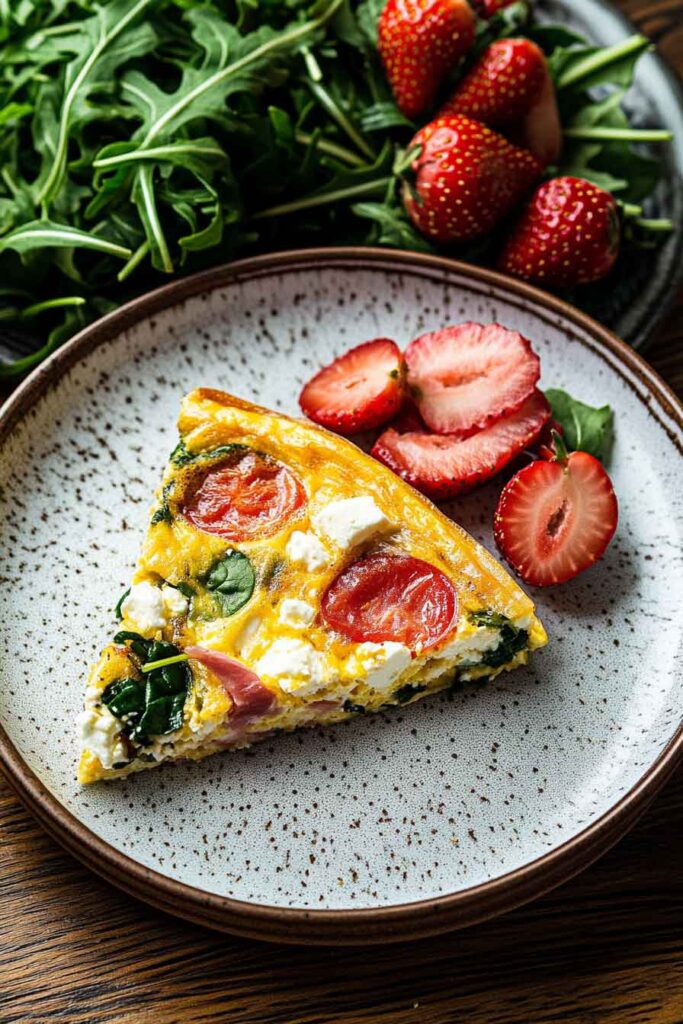
Ingredients for the Frittata
The beauty of a frittata lies in its balance—rich eggs, creamy cheese, fresh vegetables, and savory meats. Each component plays a role in building flavor and texture.
- Large Eggs (8–10): Eggs are the backbone of the frittata. They bind the ingredients and puff up beautifully when baked. Fresh, high-quality eggs yield the best flavor and texture.
- Milk or Heavy Cream (1/2 cup): Adds creaminess and prevents the eggs from drying out. Use whole milk for a lighter texture or heavy cream for a richer, silkier result.
- Salt and Black Pepper (to taste): Essential seasonings to bring out the natural flavors of your ingredients.
- Bell Peppers (1/2 cup, diced): Sweet, colorful, and slightly crisp, they brighten the dish.
- Spinach (1/2 cup, chopped): Fresh or frozen, spinach adds a subtle earthiness and color contrast.
- Green Onions (1/4 cup, chopped): Mild and fresh, they add a delicate onion flavor without overpowering the eggs.
- Garlic (1 clove, minced): Provides aromatic depth and pairs beautifully with the vegetables and cheese.
- Shredded Cheddar or Feta Cheese (1/2 cup): Cheese adds pockets of creaminess and a savory punch. Cheddar melts well, while feta offers a tangy contrast.
- Cooked Bacon or Ham (1/2 cup, chopped): Optional but recommended for a savory, meaty element. Bacon provides a smoky flavor, while ham adds a subtle saltiness.
- Optional Spices: Smoked paprika for a hint of smokiness, dried oregano or fresh basil for herbal notes, and red pepper flakes for a gentle heat.
Variations for Frittata
One of my favorite things about frittatas is how adaptable they are. Here are a few of my favorite twists:
- Vegetarian Delight: Leave out the bacon or ham and bulk up on vegetables—try roasted zucchini, mushrooms, or even thinly sliced potatoes.
- Spicy Kick: Add a pinch of red pepper flakes, a diced jalapeño, or a drizzle of hot sauce to the egg mixture for a subtle heat.
- Cheese Options: Experiment with Swiss, mozzarella, Gruyère, or goat cheese to change the flavor profile.
- Fresh Herb Boost: Toss in a handful of fresh parsley, dill, or chives for a burst of freshness.
- Seasonal Variations: Swap spinach for kale or arugula, and bell peppers for roasted tomatoes or butternut squash, depending on what’s available.
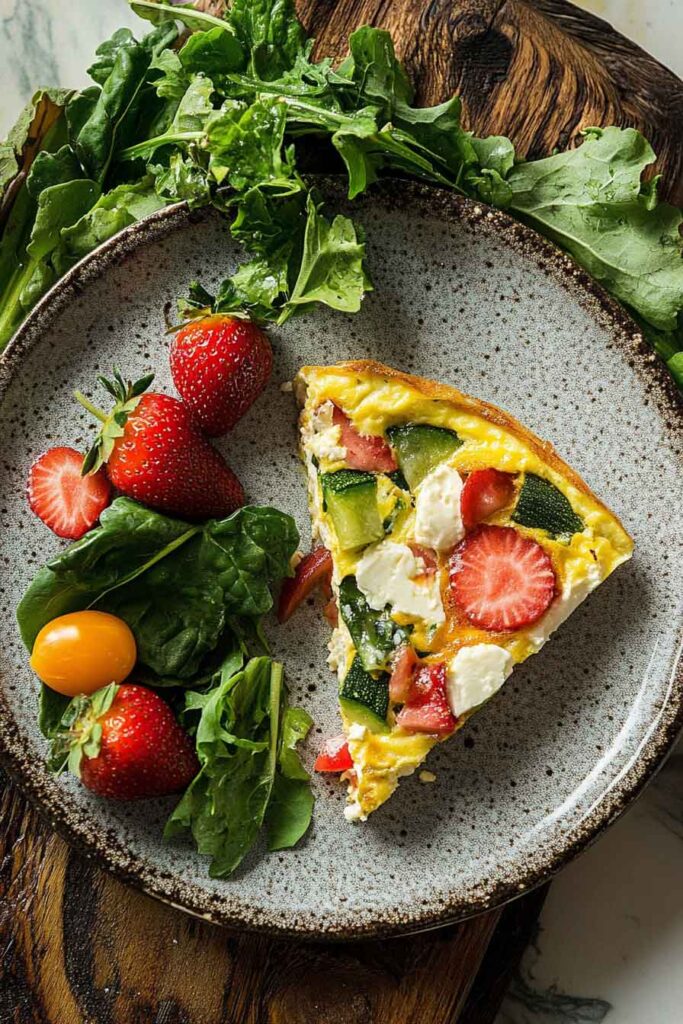
How to Make Frittata Step-by-Step Instructions
1. Preheat and Prep
Start by preheating your oven to 375°F (190°C). If you’re using a cast-iron skillet, set it on the stovetop over medium heat to warm it gently. This step helps create a nice sear on the bottom of the frittata later.
2. Cook the Vegetables and Aromatics
In your skillet, add a drizzle of olive oil. Sauté the diced bell peppers, green onions, and garlic for 3–5 minutes until they soften and become fragrant. Stir in the spinach and cook just until it wilts. This short cooking step helps remove excess moisture from the vegetables and infuses the frittata with flavor.
3. Whisk the Eggs
In a large mixing bowl, crack the eggs. Add the milk or cream, salt, pepper, and any optional spices like smoked paprika or oregano. Whisk thoroughly to combine. The more air you incorporate into the eggs, the fluffier your frittata will turn out.
4. Combine Ingredients
Add the cooked vegetables, half of the shredded cheese, and the cooked bacon or ham into the egg mixture. Gently stir to combine, ensuring even distribution of ingredients.
5. Pour and Cook
Pour the egg mixture back into the warm skillet, spreading it evenly. Reduce the stovetop heat to low and let the eggs cook undisturbed for 2–3 minutes. This helps set the bottom layer before transferring the skillet to the oven.
6. Bake
Transfer the skillet to the preheated oven. Bake for 15–20 minutes or until the eggs are set and the top is lightly golden. If using cheese like feta that doesn’t melt as much, sprinkle it on during the last 5 minutes of baking.
7. Cool and Slice
Remove the skillet from the oven and allow the frittata to cool slightly—about 5 minutes. This helps it firm up and makes slicing easier. Use a rubber spatula or knife to loosen the edges, then cut into wedges.
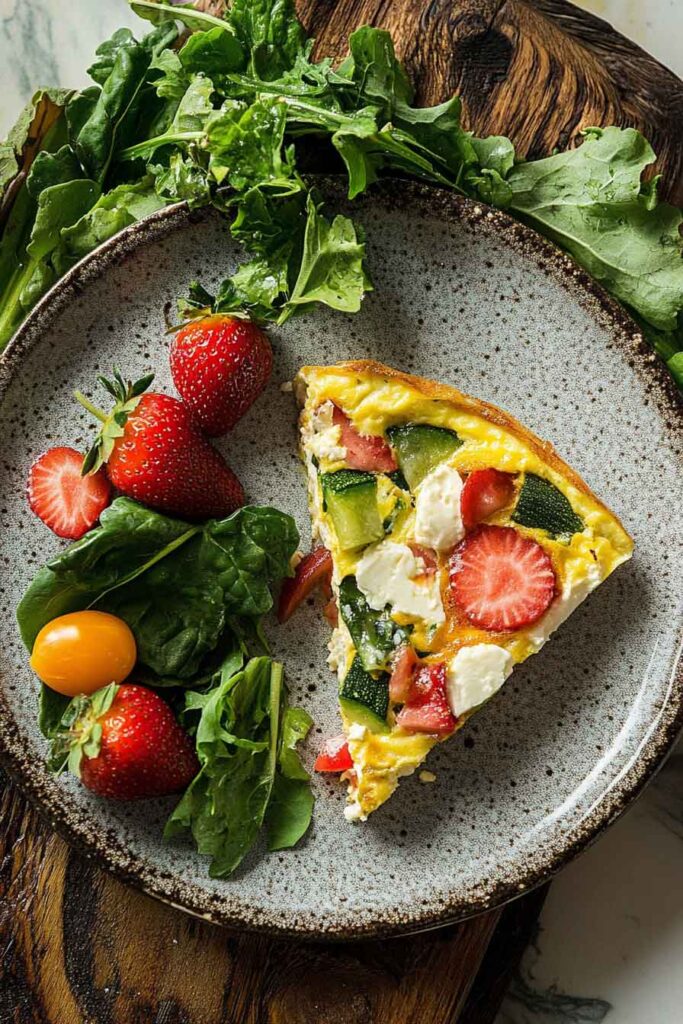
Serving and Presentation
Frittata is incredibly versatile when it comes to serving:
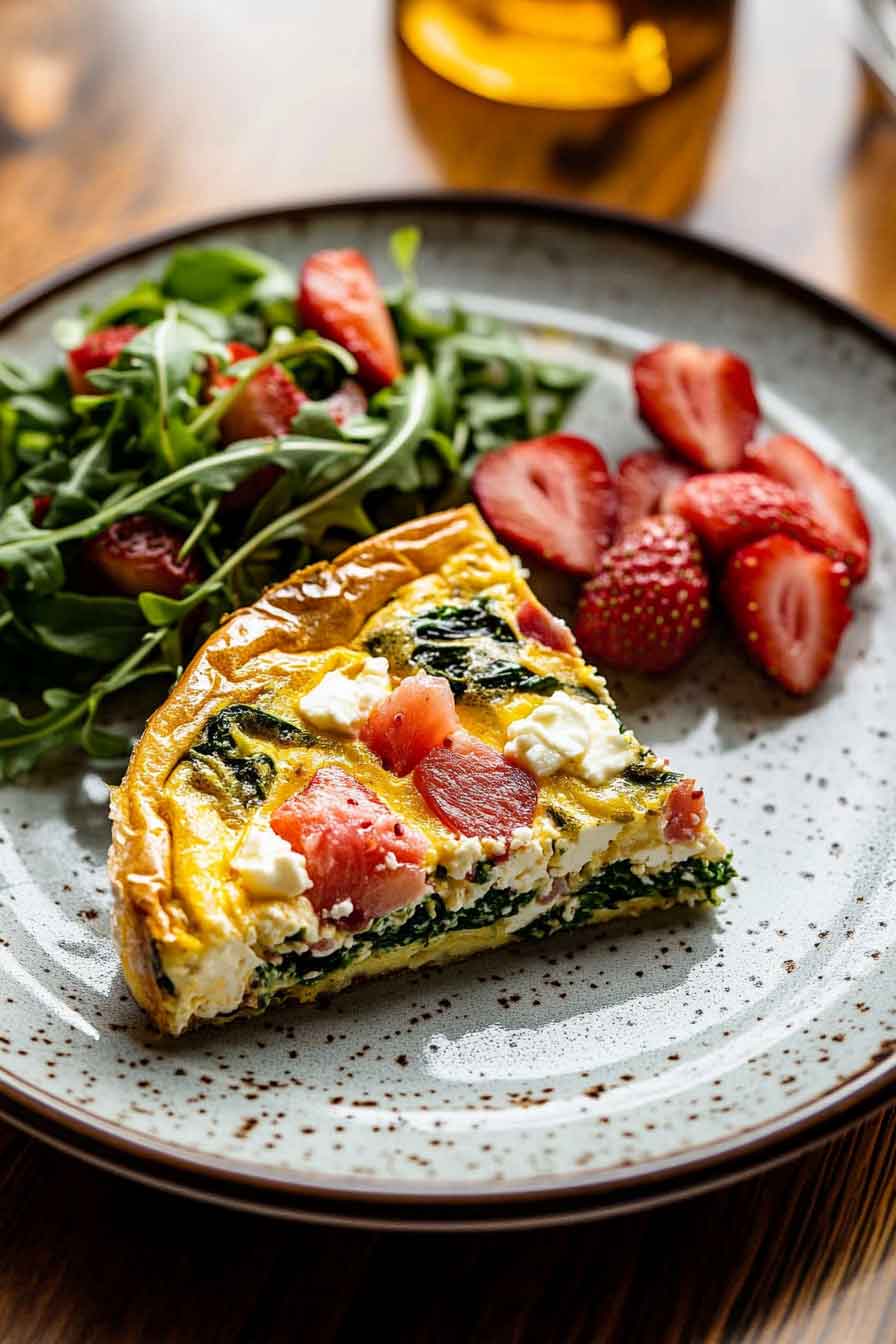
- For Breakfast or Brunch: Pair it with a side of fresh fruit, a slice of whole-grain toast, or a simple green salad.
- For Lunch or Dinner: Serve alongside a light soup, a crisp salad, or roasted vegetables.
- For Meal Prep: Frittata slices keep well in the fridge and are perfect for grab-and-go meals. Enjoy them cold or reheat gently in a microwave or oven.
Storing Frittata
- Refrigerator: Store leftover frittata slices in an airtight container for up to 4 days.
- Freezer: Frittata can be frozen for longer storage. Wrap individual slices in plastic wrap and place them in a freezer-safe bag. Freeze for up to 2 months. Thaw overnight in the refrigerator before reheating.
- Reheating: Gently reheat slices in the microwave (covered with a damp paper towel) or in a 300°F oven until warmed through.
Tips and Tricks for Success
- Don’t Overbake: Keep an eye on the frittata in the oven. Overcooking can make it dry and rubbery. Pull it out when the center is just set and a knife inserted comes out clean.
- Use Room Temperature Eggs: They whisk more easily and create a fluffier texture.
- Balance Ingredients: Avoid adding too many wet vegetables or cheeses, which can make the frittata soggy. If using watery veggies like zucchini or mushrooms, sauté them first to remove moisture.
- Layer Flavors: Think about contrasting textures and flavors—creamy cheese, crisp veggies, tender greens, and savory meats all work together to create a satisfying dish.
Nutrition (Per Serving)
| Nutrient | Amount (Approx.) |
|---|---|
| Calories | 210 |
| Protein | 14g |
| Carbohydrates | 4g |
| Dietary Fiber | 1g |
| Sugars | 1g |
| Fat | 15g |
| Saturated Fat | 6g |
| Cholesterol | 210mg |
| Sodium | 400mg |
| Calcium | 150mg |
| Iron | 2mg |
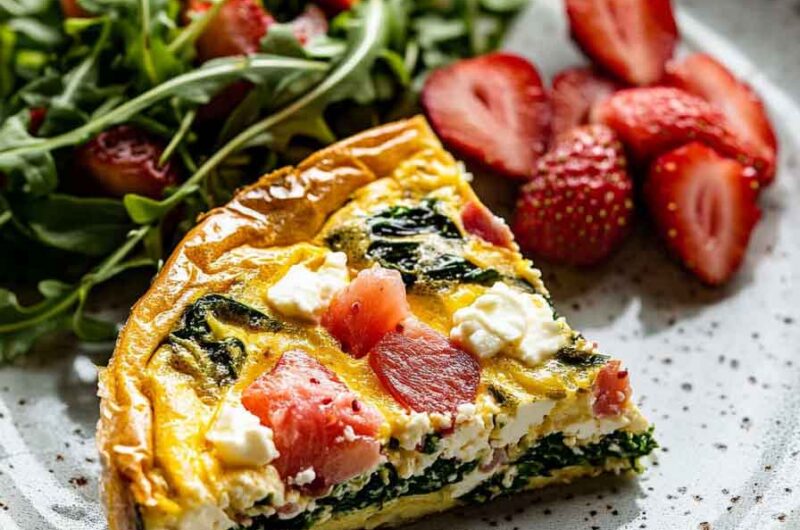
The Perfect Frittata: A Versatile and Delicious Dish
Course: Dinner Ideas4-6
servings15
minutes20
minutes210
kcalIngredients
8–10 large eggs
1/2 cup milk or heavy cream
Salt and black pepper, to taste
1/2 cup diced bell peppers
1/2 cup chopped spinach
1/4 cup chopped green onions
1 clove garlic, minced
1/2 cup shredded cheddar or feta cheese
1/2 cup cooked bacon or ham, chopped
Optional: 1/4 teaspoon smoked paprika, 1/2 teaspoon dried oregano or fresh basil, pinch of red pepper flakes
Directions
- Preheat Oven: Preheat oven to 375°F (190°C). Warm a 10–12 inch oven-safe skillet over medium heat.
- Cook Vegetables: In the skillet, add a drizzle of olive oil and sauté bell peppers, green onions, and garlic for 3–5 minutes. Add spinach and cook until wilted. Remove from heat.
- Whisk Eggs: In a large bowl, whisk eggs with milk or cream, salt, black pepper, and optional spices. Whisk well for a fluffy texture.
- Combine Ingredients: Add cooked vegetables, half the cheese, and bacon or ham to the egg mixture. Stir to combine.
- Cook on Stovetop: Pour mixture into the warm skillet. Cook over low heat for 2–3 minutes to set the bottom.
- Bake: Transfer skillet to oven. Bake for 15–20 minutes until eggs are set and top is golden. Add remaining cheese during last 5 minutes if desired.
- Cool and Slice: Let frittata rest for 5 minutes. Slice into wedges and serve.
Frittata FAQs
Q: Can I make a frittata without an oven-safe skillet?
A: Absolutely. You can start the cooking process in a nonstick skillet, then transfer the mixture to a greased baking dish and bake in the oven.
Q: Can I make a dairy-free version?
A: Yes! Substitute the milk or cream with a non-dairy alternative like almond milk or oat milk, and use a dairy-free cheese or skip the cheese altogether.
Q: How do I prevent a soggy frittata?
A: Make sure to sauté vegetables thoroughly to remove excess moisture. Avoid adding too much liquid or wet ingredients.
Q: Can I add potatoes?
A: Definitely. Thinly sliced cooked potatoes or leftover roasted potatoes can be layered into the frittata for extra heartiness.
Conclusion
A frittata is more than just a quick meal—it’s a way to bring creativity and comfort to your table. With its simple ingredients, flexible variations, and satisfying flavors, this dish is a staple for any home cook. Whether you enjoy it hot from the oven, packed for lunch, or as a quick dinner, the perfect frittata is always a winner.